Things to Do in Maputo in February
February weather, activities, events & insider tips
Low Season · Budget Friendly
February Weather in Maputo
Long-run averages for February
88°F (31°C)
High Temp
73°F (22°C)
Low Temp
5.1 inches (130 mm)
Rainfall
74%
Humidity
13
Sunny-Day UV
⚠ February falls within Maputo's cyclone season. Direct hits on the city are infrequent. Peripheral storm bands from cyclones tracking through the Mozambique Channel can bring two to three days of sustained heavy rain, localised flooding, and power outages. Monitor weather forecasts in the week before travel. Have flexible booking arrangements. Storms pass. Be ready.
⚠ Malaria transmission peaks during the wet season. Standing water across the city breeds mosquitoes. Prophylactic medication is strongly recommended. DEET-based repellent should be applied from dusk onward. Take this seriously. Protect yourself.
⚠ Afternoon thunderstorms can produce intense lightning. This happens along the exposed coastal strip near Costa do Sol and Avenida Marginal. Avoid open beaches and waterfront areas when storms are visibly building. Lightning kills. Seek shelter.
Is February Right for You?
Weigh the advantages and considerations before booking
Advantages
- + Maputo's low season brings lighter crowds to Mercado do Peixe, CFM Railway Station, and Costa do Sol. You will have landmarks and restaurant terraces largely to yourself. This rarely happens from June through September. South African holidaymakers fill the city then.
- + Accommodation and tour prices drop noticeably in February. This is the most affordable window for booking guided trips to Maputo Special Reserve or Inhaca Island day crossings. Operators are more flexible on group sizes and scheduling when demand is thin.
- + February is peak fruiting season in southern Mozambique. Markets like Mercado Central overflow with mangoes, papayas, litchis, and cashew fruit. The raw cashew apple appears at roadside stalls along Avenida Marginal. Tart and slightly astringent, it disappears by April.
- + The wet season vegetation transforms the city and surrounding reserves. The scrubby brown coastal bush that characterises Maputo's dry months turns electric green. Maputo Special Reserve's elephant herds gather around freshwater pans that are full and accessible. February sightings are reliable. The parched October landscape cannot match this.
Considerations
- − February sits squarely in Maputo's cyclone window. Direct hits on the capital are uncommon. Peripheral storm bands bring sustained heavy rain that can last two or three days. This floods low-lying roads around Costa do Sol. Power in the Baixa district occasionally fails.
- − The heat and humidity combination is relentless. 31°C (88°F) with 74% humidity means the air feels closer to 38°C (100°F) by early afternoon. Even locals retreat indoors between noon and three. Outdoor walking tours feel manageable at 8 AM. They become punishing by midday.
- − Visibility underwater at Inhaca Island and along the bay drops significantly during the wet season. River runoff clouds the water. If snorkelling or diving is your primary reason for visiting, May through October offers far clearer conditions.
Best Activities in February
Top things to do during your visit
February drops Maputo into the thickest stretch of its wet season. Afternoon skies over Maputo Bay crack open with thunderstorms that arrive like clockwork around three or four in the afternoon, dumping an average of 130 millimeters across the month before clearing to pink-streaked sunsets. Mornings begin warm. They thicken into midday heat that pushes the mercury to around 31 degrees Celsius. Overnight temperatures rarely dip below 22 degrees. The air after dark still carries the warmth of the pavement and the salt of the Indian Ocean. The rain keeps Maputo's flame trees in full leaf, their canopies throwing dappled shade across the cracked Art Deco facades of the Baixa. The city smells of wet laterite, wood smoke from corner grills, and the sweet rot of mango skins piling at the edges of market stalls. The rhythm of a February day in Maputo rewards early risers. Fish vendors at the Mercado do Peixe are unloading the overnight catch before seven. They stack silver-scaled corvina and red-shelled langoustines on chipped tile counters while charcoal braziers hiss to life along the seawall. By mid-morning the beachfront from Costa do Sol southward fills with families. The water is a murky jade stirred up by recent rains, warm enough that wading in feels no different from the air. Most Maputenses retreat indoors during the afternoon downpour, when thunder rolls across the bay so deep you feel it in your sternum. They re-emerge for the cooler evening hours. Restaurants along Rua da Mesquita and Avenida Friedrich Engels fill late. The scent of peri-peri chicken charring over open flame drifts across sidewalks still damp from the storm. The wet season also means fewer international visitors. Day trips to nearby reserves and cross-border excursions run with smaller groups. Guides have more time to linger at a sighting or answer questions at length.

Eswatini (Swaziland) 1-day Country Tour from Maputo
guided_experienceThe Eswatini day trip from Maputo crosses two borders in a single sunrise-to-sunset arc. It trades Mozambique's coastal lowlands for the cool, eucalyptus-scented highlands of the last absolute monarchy in Africa. The route climbs through the Lebombo Mountains, where roadside fruit sellers stack pyramids of avocados and litchis beside the tarmac. It arrives into a landscape of green valleys and sandstone outcrops that feels a continent removed from Maputo's sea-level heat. Stops typically include a Swazi cultural village where the sharp clap of cowhide drums echoes off thatched rondavels, and a craft market where woven sisal baskets carry the faint grassy smell of their raw material.
It is one of the only single-day border-crossing tours in southern Africa that delivers a genuine shift in landscape, culture, and climate without requiring a flight.
Insider tip: Bring your passport with at least two blank pages and confirm visa requirements for Eswatini well in advance. Processing at the Lomahasha border post slows considerably when vehicles queue. Arriving before nine in the morning typically halves the crossing time.
This month: February's rains keep the Lebombo hills intensely green and the rivers full, making the highland scenery more impressive than during the dry winter months. Afternoon thunderstorms in the lowlands on the return drive are nearly guaranteed.

Maputo National Park (Maputo Special Reserve) Full-day Tour
day_tripMaputo Special Reserve sprawls across coastal bush and freshwater lakes south of the capital. A full-day tour pushes deep enough into the reserve to encounter its famous elephant herds, which were nearly extinguished during the civil war and have since been repopulated from South Africa. The landscape is flat, sandy, and studded with ilala palms whose fronds rattle in the Indian Ocean breeze. The air carries a vegetal tang of dune scrub mixed with the brackish smell of Lake Piti. Morning game drives here yield sightings of hippos half-submerged in green water, their ears flicking flies. Flocks of carmine bee-eaters streak through the treeline in flashes of crimson and turquoise.
This is Mozambique's most accessible big-wildlife experience from the capital, reachable in under two hours. It is one of the few African reserves where elephants roam coastal dune forests within earshot of the ocean.
Insider tip: Sit on the left side of the vehicle heading into the reserve. The freshwater pans where elephants and hippos congregate sit on that side of the main track. Request a stop at the Chemucane community area for a cold drink and a view of the estuary.
This month: February's wet season means denser vegetation, which can make spotting smaller animals harder. The reserve's birdlife peaks during the rains with migratory species present. The elephants tend to stay closer to open water sources.

Kruger Park 2-day Safari from Maputo (Open-backed Safari Vehicle)
otherA two-day open-vehicle safari into Kruger National Park from Maputo crosses the Ressano Garcia border into South Africa. It enters one of the continent's densest concentrations of large mammals. The open-backed vehicle sits higher than a standard Land Cruiser and has no roof or windows. Every sense is engaged: the dry-grass smell of the bushveld at dawn, the low sawing grunt of a leopard somewhere in the drainage line, the feel of cool predawn air on your face as the driver kills the headlights and lets the engine idle beside a waterhole where elephants drink in silhouette. Overnight accommodation inside the park means a late-afternoon drive when the golden hour light turns everything amber. Then a second morning drive when cats are still active.
The open vehicle eliminates the glass barrier that separates most safari-goers from the bush. It creates an immediacy that closed vehicles cannot replicate. The two-day format allows both a sunset and a sunrise drive.
Insider tip: Pack a fleece or light jacket for the predawn start on day two. Temperatures in southern Kruger can drop sharply before sunrise even during summer months. The wind chill on an open vehicle amplifies the cold.
This month: February falls within Kruger's wet season, when the bush is thick and green and animals disperse across abundant water sources. Big Five sightings are less concentrated than in the dry winter months. The season delivers lush scenery and prolific birdlife, including breeding-plumage displays.

Maputo Essential Walking Tour
walking_tourThe Maputo Essential Walking Tour threads through the Baixa on foot. This is the only honest way to absorb the peeling grandeur of the city's colonial core. The route passes the iron-lattice Central Train Station, whose seafoam-green dome glows against a February sky stacked with cumulus clouds. It continues through streets where Portuguese-era buildings in faded ochre and coral sit beside concrete apartment blocks still bearing revolutionary murals in flat reds and blacks. Guides narrate the layers of Maputo's history, from the old Portuguese fortress walls, where you can run your hand along cool, salt-pitted stone, to the contemporary art galleries of the Nucleo de Arte, where welded sculpture made from decommissioned weapons lines the courtyard.
Walking is the only speed at which Maputo's architectural details reveal themselves, from the wrought-iron balconies of the Baixa to the tiled facades that Portuguese settlers modeled on Lisbon originals.
Insider tip: Wear shoes with good grip. The pavement tiles in the Baixa become slick after the afternoon rains. Carry a small umbrella rather than a rain jacket. The humidity makes waterproof layers unbearable within minutes.

2-Day Maputo Special Reserve Guided Tour
guided_experienceThe two-day guided tour of Maputo Special Reserve stretches the experience across an overnight stay inside or adjacent to the reserve. This transforms the visit from a long day trip into something that registers the place at different hours. Sunset in the reserve brings the sound of fruit bats peeling off from their roost trees in a leathery rush. The overnight stay means a predawn departure when the sand tracks are cool, the light is flat silver, and the animals have not yet retreated from the open. The second day often pushes further south toward the marine section of the reserve, where the forest thins and the white noise of the Indian Ocean surf becomes audible through the dune vegetation.
The overnight format unlocks the reserve's dawn and dusk hours. These are when its elephants, hippos, and rarer species like samango monkeys are most active and visible.
Insider tip: Bring binoculars with at least eight-by-forty magnification. Much of the reserve's best birdlife, raptors and kingfishers along the lake margins, sits at distances that reward optics. Request the coastal route on day two if conditions allow.
This month: February's rains fill the reserve's seasonal pans and lakes to their highest levels. This concentrates birdlife around the expanded shorelines and makes the coastal lagoons accessible by boat in some years.

Tour about Art and Architecture in Maputo City
guided_experienceThe art and architecture tour of Maputo strips the city down to its visual and structural bones. It moves from the neo-Manueline stonework of the Natural History Museum, where carved elephants and coiled serpents frame the entrance, to the raw concrete and exposed rebar of post-independence modernist blocks that line Avenida Julius Nyerere. Guides with art-history backgrounds draw connections between the city's colonial facades and the murals that local artists have painted over them. This is a literal layering of Mozambican identity onto Portuguese infrastructure. The tour pauses at open-air sculpture gardens where welded metal catches the light and throws angular shadows across packed-earth courtyards. The smell of wet clay from a nearby ceramics workshop drifts through the gate.
Maputo's art scene grew directly out of its political upheavals. This tour makes that lineage visible in the walls, sculptures, and repurposed buildings that most visitors walk past without context.
Insider tip: Ask your guide to include the backstreet murals near Rua de Bagamoyo. These are less photographed than the ones along the main avenues. They include work by Malangatana's students that shows the evolution of Mozambican visual language across three decades.
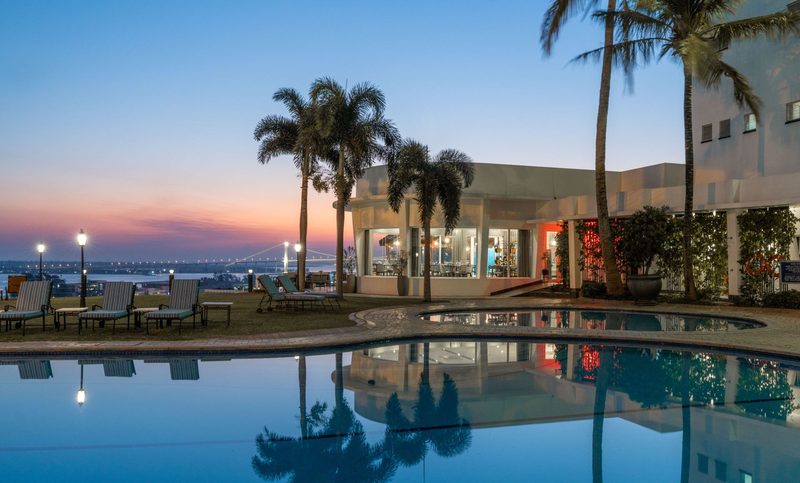
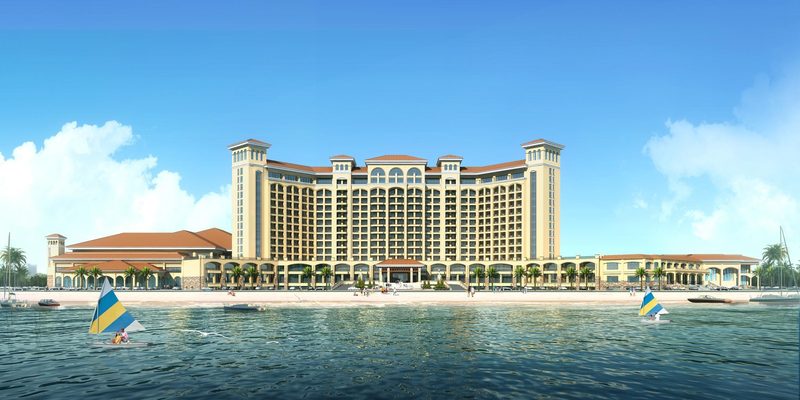
Where to Stay in Maputo in February
Hand-picked hotels across price tiers for February travellers.
Public Holidays in February
Dates that affect opening hours, transport and crowds
Dia do Heroi Nacional
Known in English as Heroes's Day. Observed nationwide as a public holiday.
Dia do Heroi Nacional
Known in English as Heroes's Day. Observed nationwide as a public holiday.
Packing Checklist
Bookmark this page — your progress is saved between visits
Need the full list with shopping links?
Climate-specific gear, brand recommendations, and what to leave at home.
View Maputo Packing List →Essential Tips
Insider knowledge and common pitfalls to avoid
Insider Knowledge
The Mercado Central in the Baixa is where Maputenses shop, and in February the cashew fruit stalls in the outdoor section are worth seeking out. The raw cashew apple, which you will never find exported, is tart, slightly tannic, and completely unlike the roasted nut you know. Vendors will slice one open for you to taste if you show curiosity. The fruit stains fabric permanently. Eat it over the gutter, not your shirt.
February afternoon storms follow a reliable pattern. The clouds build from the west starting around noon, the temperature drops a few degrees as the wind shifts, and rain arrives between 2 PM and 4 PM with theatrical intensity. Thunder rolls across the bay, streets flooding ankle-deep within minutes. Locals time their day around this. Do outdoor activities in the morning, eat a long lunch under cover, and re-emerge by 5 PM when the air smells like wet concrete and washed earth and the light turns gold.
The Costa do Sol beach along Avenida Marginal is Maputo's most accessible stretch of sand. But in February the bay water is warm, murky, and carries runoff from the city. Locals who want to swim drive south to Katembe or take the boat to Inhaca. Costa do Sol is better used for what Maputenses use it for in the wet season: cold beers at the beachfront barracas while watching the storm clouds stack up over the bay.
Chapas, the minibus taxis that are Maputo's de facto public transport, run fixed routes but have no published schedule or map. In February, rain delays can double travel times across the city. If you are heading to Maputo Special Reserve or Marracuene, arrange private transport or a tour vehicle rather than relying on chapas, which may not run at all when roads flood.
Avoid These Mistakes
Scheduling a packed outdoor itinerary for the full day as if February were a dry-season month is a mistake. By 1 PM the heat index will have broken your plans, and by 3 PM the rain will have buried them. Front-load your day: be out by 7 AM, indoors by noon, and save evenings for the waterfront restaurants along Avenida Marginal where the post-storm breeze makes dining outdoors pleasant.
Assuming the Mercado do Peixe prices are fixed is a mistake. They are not, and the first number a vendor quotes to a visibly foreign buyer can be several times the local rate. This is not a scam. It is the opening of a negotiation, and refusing to bargain marks you as someone who does not understand how the market works. Watch what Mozambicans ahead of you pay, and aim for a price in that range.
Skipping malaria prophylaxis because Maputo is a city rather than a rural area is risky. The wet season standing water in February creates mosquito habitat across the urban footprint, including the upscale Polana and Sommerschield neighbourhoods. Consult a travel health clinic before your trip and start your antimalarials on schedule.
Ready to plan your trip to Maputo?
Now that you've got the research covered, here's where to go next.
Explore More Activities in Maputo
Didn't see anything interesting yet?
Browse Viator's full catalog of tours, day trips, food experiences, and private guides in Maputo.
See All Maputo Tours on Viator