Things to Do in Maputo in November
November weather, activities, events & insider tips
Low Season · Budget Friendly
November Weather in Maputo
Long-run averages for November
84°F (28°C)
High Temp
67°F (19°C)
Low Temp
3.2 inches (81 mm)
Rainfall
75%
Humidity
11
Sunny-Day UV
⚠ Afternoon thunderstorms can produce intense lightning over open ground and water. Avoid exposed areas along the Marginal and open stretches of Costa do Sol beach when storm cells build, which typically happens between 2 PM and 5 PM. Move indoors. Covered structures work too. Watch for darkening skies.
⚠ Malaria transmission risk rises meaningfully in November as the first rains create standing water across the city and surrounding lowlands. Antimalarial prophylaxis is strongly recommended for all visitors, alongside consistent use of DEET-based repellent after dusk and sleeping under treated nets where provided. Take this seriously.
⚠ UV exposure at Maputo's latitude is intense even through partial cloud cover. Reflected light off Maputo Bay and wet pavement after storms compounds the exposure. Sunburn can develop within an hour of unprotected time outdoors, on boat crossings to Inhaca Island where shade is limited. Pack sunscreen.
Is November Right for You?
Weigh the advantages and considerations before booking
Advantages
- + Mango season hits full stride in November, and the fruit sold from wooden carts along Avenida Julius Nyerere and stacked in pyramids at the Mercado Central is a different species from anything that survives the export chain. The local rosa variety has a pink-gold blush and a sweetness that borders on floral. Cashew fruit appears too, tangy and astringent, still attached to the nut, something most visitors have never seen let alone tasted.
- + Indian Ocean water temperatures climb to roughly 26-27°C (79-81°F) by mid-November, warm enough that locals wade in before sunrise along Costa do Sol. Compare that to July and August, when the water hovers around a bracing 22°C (72°F) and only the surfers bother. Maputo Bay and the reefs around Inhaca Island come alive with warm-water species as the current shifts.
- + Accommodation rates settle into a comfortable range between the dry-season premium of July through September and the deep wet-season discounts of January and February. You'll find same-week availability at properties that book out months ahead during peak, and the competition for waterfront tables at lunch drops noticeably.
- + Afternoon thunderstorms, when they arrive, are short-lived theatre. The sky stacks up in copper and slate over Maputo Bay, lightning cracks over the Baixa, rain hammers the tin rooftops for twenty to forty minutes, and then it stops. The air cools by several degrees, the city smells washed clean, and the post-storm light on the water is the kind of golden hour photographers chase across continents.
Considerations
- − Humidity builds through November and sits on the city like a second skin. By mid-month the air feels heavy from dawn, and any sustained walking through the Baixa or out along the Marginal will leave your shirt clinging to your back within an hour. Air conditioning outside upper-range hotels and the newer restaurants is inconsistent at best, and some guesthouses rely on fans that mostly just push the damp air around.
- − Mosquitoes become meaningfully active as the first rains fill gutters, puddles, and the low-lying ground around the mangroves south of the city. Maputo sits in a malaria transmission zone, and November's combination of warmth, humidity, and standing water is exactly what Anopheles mosquitoes thrive in. Prophylaxis prescribed before departure is strongly recommended, and you will want DEET-based repellent for any evening spent outdoors.
- − Some roads outside central Maputo, the unpaved stretches toward Catembe and sections of the approach to Maputo Special Reserve roughly 100 km (62 miles) south, turn to mud after sustained downpours. If you are planning excursions beyond the city core, build in extra travel time and confirm road conditions with your operator beforehand.
Best Activities in November
Top things to do during your visit
November in Maputo arrives with a shift you can feel on your skin. The city's long dry season has finally broken. Afternoon rains roll in off the Indian Ocean in warm, theatrical bursts that last twenty minutes and leave the streets steaming. Average highs sit around 28°C, with overnight lows near 19°C, and the roughly 81 mm of rainfall that falls this month tends to arrive in concentrated downpours rather than lingering drizzle. Between showers, the sun reasserts itself with a heat that makes the coral-pink facades along Avenida Julius Nyerere glow almost amber. The air carries the scent of wet laterite and frangipani, and the flame trees lining Maputo's boulevards push out their last scarlet blossoms before the deeper rains of December take hold. This is the month when Maputo's outdoor life recalibrates. Locals crowd the barracas along the Marginal in the early evening once the day's heat eases, and the sound of marrabenta guitar drifts out of open doorways in Baixa. The seafood stalls near the Fish Market fire up their charcoal grills as the sun drops, filling entire blocks with the sharp, smoky fragrance of piri-piri prawns. Maputo's coastal position means the Indian Ocean breeze tempers what could otherwise feel oppressive, and the water itself is warm enough for swimming at Praia da Costa do Sol, where the sand stretches flat and wide to the northeast of the city center. For travelers weighing when to visit, November sits in a productive window: the rains have not yet reached the sustained daily volume of January or February, the landscape is greening rapidly after months of dry khaki, and the city feels awake and sociable without the dense tourist traffic of the southern hemisphere's peak holiday weeks. Dining in Maputo rewards the curious. The city's Portuguese colonial past shows up in its bakeries and the espresso ritual at places like Café Continental. But the cooking that defines the capital is Mozambican: matapa, a slow-cooked stew of cassava leaves, ground peanuts, and coconut milk, has a rich, earthy sweetness that clings to the palate, while grilled crayfish at the waterfront stalls arrives blackened and split, the flesh tender and faintly briny. Cashew nuts, roasted on street corners until they crackle and darken, are Maputo's signature snack, their warm, toasty aroma trailing pedestrians along Avenida 24 de Julho. After dark, the city's bar scene clusters around Sommerschield and the waterfront, where open-air venues serve cold 2M lager and the night air hums with conversation in Portuguese, Shangaan, and Ronga. Safety in Maputo follows the pattern of most large coastal African cities: the central neighborhoods and tourist corridors are straightforward to navigate on foot during daylight, taxis are the standard for after-dark travel, and the usual urban awareness applies. Accommodation ranges from waterfront guesthouses to international chains near the business district, with options across every price tier concentrated between the Marginal and Avenida Vladimir Lenine.

Eswatini (Swaziland) 1-day Country Tour from Maputo
guided_experienceThe Eswatini day tour from Maputo crosses into one of the world's last absolute monarchies, trading the Indian Ocean humidity for the cooler, pine-scented highlands of the Ezulwini Valley in a single morning. The drive itself is part of the draw: the road climbs from Mozambique's coastal lowlands through the Lubombo Mountains, where the vegetation shifts from tropical scrub to misty grassland and the air cools noticeably with each switchback. In Eswatini, the day typically includes cultural villages where you can watch Swazi basket-weaving up close and taste traditional fermented beverages, plus stops at craft markets where the hand-carved soapstone has a silky, almost soapy warmth under your fingers.
A chance to cross an international border and experience the highland culture of a tiny, landlocked kingdom as a comfortable day trip from Maputo's coast.
Insider tip: Bring your passport with at least two blank pages and confirm your Mozambique visa allows re-entry; the Lomahasha border crossing can slow down midday, so an early departure from Maputo cuts your wait considerably.
This month: November's warming temperatures in the Ezulwini Valley coincide with the start of the green season, so the highland landscape is lush rather than the dry brown of the preceding winter months.

Maputo National Park (Maputo Special Reserve) Full-day Tour
day_tripMaputo National Park, still called the Maputo Special Reserve by many locals, sprawls across coastal dune forest and wetland south of the city, and a full-day tour here puts you deep into terrain that most Maputo visitors never reach. The reserve's elephants, reintroduced after being nearly eliminated during the civil war, move through stands of coastal forest where the canopy filters the light into shifting green patterns on the sandy floor. Birders will hear the liquid call of the mangrove kingfisher along the estuarine edges, and the white sand beaches on the reserve's Indian Ocean flank are often completely deserted, the water so clear you can see the rippled sand bottom from the dune crest above.
One of the few places in southern Africa where you can see elephants browsing coastal dune forest with the Indian Ocean audible in the background.
Insider tip: Wear shoes that can handle sand and shallow water crossings. The park's access tracks flood in patches during the wet months, and the guide vehicle may need passengers to wade short sections.
This month: November's early rains green the reserve and fill the seasonal pans, which concentrates birdlife around fresh water and makes the coastal forest canopy notably denser than during the dry months.

Kruger Park 2-day Safari from Maputo (Open-backed Safari Vehicle)
otherTwo days in Kruger from Maputo is a different proposition than flying into Johannesburg and driving north. The overland route crosses the Mozambican border at Ressano Garcia, drops through the Lowveld, and enters Kruger through the Crocodile Bridge gate, a less-trafficked entrance that puts you into the park's southern sector, where the bushveld thins out into open savanna and sightings spread wide across the landscape. An open-backed safari vehicle changes the sensory register entirely: you hear the low rumble of elephants pulling bark from marula trees, smell the acrid dust kicked up by a herd of buffalo, and feel the cool pre-dawn air on your face during the early morning game drives when the big cats are still active.
An overland Kruger safari that starts in Maputo, offering a cross-border adventure and open-vehicle game drives in the park's quieter southern reaches.
Insider tip: Pack a warm fleece for the early morning game drives even in November. The open vehicle at speed before sunrise can feel surprisingly cold despite the daytime heat, and the temperature difference between Maputo's coast and the Lowveld interior catches many travelers off guard.

Maputo Essential Walking Tour
walking_tourMaputo's walking tour covers the compact, walkable grid of the Baixa district, where every block seems to hold a different layer of the city's tangled history. The Iron House, an all-metal residential building designed by Gustave Eiffel's studio and shipped in pieces from Belgium, sits on a quiet corner radiating heat in the midday sun, its green-painted panels warm to the touch. The Central Market is a sensory anchor: the ground floor smells of dried fish and citrus, the upper level displays cashew-shell carvings and capulana fabrics in stacks of indigo, saffron, and rust, and the vendors' rapid-fire Portuguese bounces off the vaulted ceilings. The walk also threads past the Cathedral of Our Lady of the Immaculate Conception, the Franco-Arab train station facade, and the street-art-covered walls of the backstreets behind Avenida Samora Machel.
The most efficient way to decode Maputo's architectural layers, from Eiffel-era ironwork to Modernist concrete, with a local guide who can narrate the stories the buildings cannot.
Insider tip: Go in the morning before the midday heat peaks. The Central Market is most active and photogenic between about eight and eleven, and the walk is far more comfortable under the avenue trees before the sun is directly overhead.

2-Day Maputo Special Reserve Guided Tour
guided_experienceThe two-day guided tour of Maputo Special Reserve goes deeper than the single-day option, adding an overnight in the park that opens up the reserve's nocturnal soundscape. After dark, the coastal forest comes alive with a different register: the rhythmic pulse of tree frogs, the occasional crack of a branch under an elephant's foot, and the distant wash of the Indian Ocean surf carry through the camp. The second day allows time to reach the more remote southern pans, where flamingos sometimes gather in shallow, saline water, their pink plumage almost fluorescent against the dark mud. The extended format also gives guides time to walk sections of the reserve on foot, pointing out dung beetle activity, animal tracks in the sand, and the medicinal plants that local communities still harvest from the forest edge.
The overnight stay transforms the reserve from a day trip into an immersion, with nocturnal wildlife sounds and a second full day to reach the park's most remote corners.
Insider tip: The overnight accommodation is basic bush-camp style. Bring a headlamp, insect repellent rated for tropical mosquitoes, and a light sleeping liner if you prefer not to use communal bedding.
This month: November's returning rains activate the reserve's seasonal wetlands and draw large numbers of migratory waterbirds to the coastal pans, making the two-day format rewarding for birders.

Tour about Art and Architecture in Maputo City
guided_experienceThe art and architecture tour strips Maputo down to its aesthetic bones. The city holds one of the densest collections of Modernist architecture in sub-Saharan Africa, a legacy of Portuguese colonial architects like Pancho Guedes, whose buildings bend concrete into organic, almost surreal shapes that look nothing like the severe Brutalism of the same era elsewhere. The tour typically visits the Nucleo de Arte, a collective studio in a converted warehouse where sculptors weld figures from scrap metal and the air smells of acetylene and iron filings, and the Natural History Museum, whose lobby houses a collection of elephant fetuses preserved in formaldehyde inside a building whose tiled exterior gleams in Maputo's strong light. Street murals in the Malhangalene neighborhood layer political history over colonial-era walls, their colors still sharp against crumbling plaster.
Maputo's Modernist architecture is globally significant and almost entirely unknown outside specialist circles. This tour gives it the context it deserves.
Insider tip: Ask your guide to include a stop at the Pancho Guedes buildings along Avenida Patrice Lumumba. Some are not on every tour's default route but are among the most inventive structures in the city, with facades that ripple and fold in ways that reward close inspection.
Where to Stay in Maputo in November
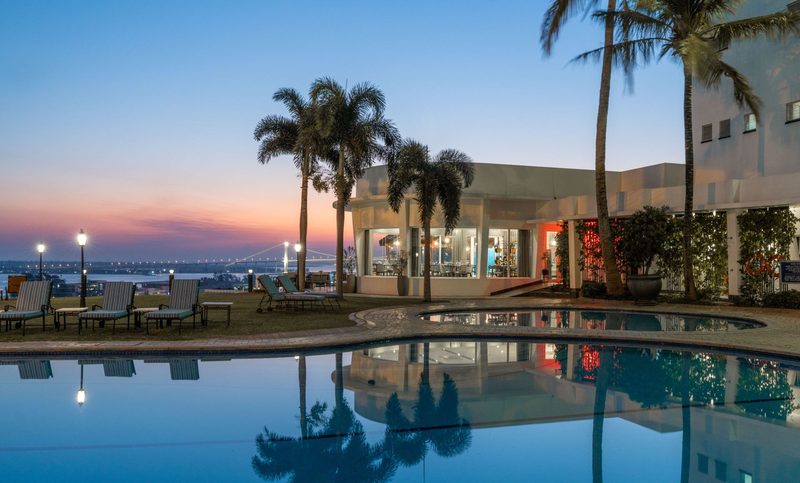
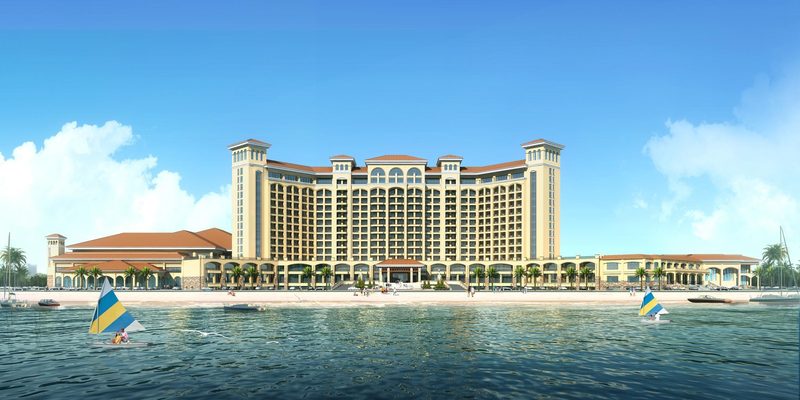
Hand-picked hotels across price tiers for November travellers.
Packing Checklist
Bookmark this page — your progress is saved between visits
Need the full list with shopping links?
Climate-specific gear, brand recommendations, and what to leave at home.
View Maputo Packing List →Essential Tips
Insider knowledge and common pitfalls to avoid
Insider Knowledge
Maputo moves to its own clock. Learn it, or you will spend your trip fighting the city instead of reading it. The productive hours are early morning and late afternoon. Between roughly noon and three, the humidity peaks, the streets empty, and even the market vendors slow down. This is not laziness. It is intelligence. Use those midday hours for a long lunch or retreat to air conditioning, then re-emerge when the light softens and the city comes back to life. The best light on the Baixa's facades and on Maputo Bay happens between 4 and 6 PM, after a storm has scrubbed the haze.
Chapas, the privately run minibuses, are how most of Maputo gets around, and they cost a fraction of taxis. But they are difficult for a first-time visitor: routes are marked on the windshield in Portuguese shorthand, there are no published schedules, and they leave when full, which sometimes means standing-room intimacy with strangers in equatorial heat. For your first few days, use the ride-hailing apps that now operate in the city. They are affordable by international standards and spare you the language barrier. Once you have your bearings and a few Portuguese phrases, try a chapa along the main Avenida Eduardo Mondlane corridor. It is the most legible route.
The nightlife along Avenida Marginal and in the Polana and Sommerschield neighborhoods runs late by any standard, rarely starting before 11 PM and continuing until 3 or 4 AM on weekends. Live marrabenta and kizomba music is the draw, not bottle service or velvet ropes, and the energy is local rather than tourist-facing. November's warm evenings keep the outdoor terraces full, and the breeze off the bay makes the humidity tolerable after dark. Go with someone who knows the scene if you can. The best nights tend to happen at places that do not advertise.
November is cashew season in southern Mozambique, and you will see the fruit everywhere, bright red or yellow pods with the familiar nut hanging off the bottom like an afterthought. The fruit itself is tangy, slightly astringent, and completely unlike the roasted cashew you know. Street vendors sell them peeled and ready to eat. The cashew liquor, locally distilled and sometimes startlingly strong, also appears at informal markets. Neither travels well. This is a taste-it-here-or-miss-it situation.
Avoid These Mistakes
Booking accommodation in Matola or the outer suburbs to save money, then bleeding the savings into taxi fares and wasted hours in traffic. Matola is technically next door but functionally a separate city connected to Maputo by roads that gridlock during rush hours. The Polana, Sommerschield, and central Baixa neighborhoods keep you within walking distance of the waterfront, the markets, and the restaurants that make Maputo worth visiting. The savings from staying central in time alone outweigh the room rate difference.
Treating the Inhaca Island ferry as a spontaneous morning decision. The schedule is limited, roughly one departure per day, weather-dependent in November, and cancellations happen without much warning when storms roll through. Book your crossing a few days ahead, plan for a midweek departure when the boat is less crowded, and have a backup plan for your beach day. Getting stranded on the city side with nothing planned is a wasted day you could have spent at Costa do Sol instead.
Walking past the Mercado Central because the outside looks chaotic and the noise is overwhelming. The central market is where Maputo feeds itself, and the interior is organized with more logic than it appears: dried fish in one section, spices in another, produce stacked with geometric precision in a third. The spice aisles, towers of dried piri piri peppers next to bags of powdered baobab and hand-ground curry blends, are worth thirty minutes on their own. Keep your phone secure in a front pocket. Maintain awareness of your belongings. Let yourself get drawn into conversation with vendors. They are persistent but warm, and they will teach you things about Mozambican cooking that no restaurant menu explains.
Ready to plan your trip to Maputo?
Now that you've got the research covered, here's where to go next.
Explore More Activities in Maputo
Didn't see anything interesting yet?
Browse Viator's full catalog of tours, day trips, food experiences, and private guides in Maputo.
See All Maputo Tours on Viator